


The U.S. Supreme Court recently struck down former President Donald Trump’s so-called “reciprocal tariffs,” a move that in theory should have brought relief to import-heavy industries. For furniture retailers, however, the ruling offers little comfort.
Despite the Supreme Court ruling, small furniture sellers still face an existential threat from tariffs.
The decision addressed country-specific tariffs introduced under emergency economic powers, but it did not eliminate the separate 25% duties placed on many furniture imports under Section 232 of the Trade Expansion Act. Those levies — covering products such as sofas, kitchen cabinets, and bathroom vanities — remain firmly in place.
Tariffs That Never Truly Went Away
While the high court reviewed tariffs introduced under the International Emergency Economic Powers Act, the furniture-specific duties were never part of that legal challenge. As a result, the 25% tariff on certain imports continues to weigh heavily on the sector.
Originally, the rate was scheduled to double to 50% in January, only for that increase to be postponed until 2027 at the eleventh hour. For business owners, the stop-and-start nature of policy announcements has become a defining feature of the past year.
According to Peter Theran, CEO of the Home Furnishings Association, unpredictability has become the industry’s biggest obstacle. Retailers are finding it nearly impossible to create long-term strategies or commit capital to new investments when trade policies shift without warning.
Running a business, he suggested, is hard enough. Doing so without clarity about future costs makes it significantly harder.
From Pandemic Boom to Post-Peak Pain
The furniture sector’s current troubles didn’t begin with tariffs.
During the Covid-19 pandemic, American households redirected travel and entertainment spending toward home upgrades. With stimulus checks in hand and historically low interest rates, consumers splurged on sofas, dining tables, décor, and home office setups. The housing market also boomed, driving even more demand for furnishings.
The result? A period of extraordinary growth.
But by 2022, rising inflation and climbing interest rates cooled both housing and discretionary spending. The furniture market, which had expanded rapidly, began to contract. According to data from Euromonitor, the industry experienced its first meaningful decline in at least seven years.
By the time new tariffs arrived, many businesses were already operating on thin margins.
Bankruptcies and Mounting Pressure
The strain has been severe.
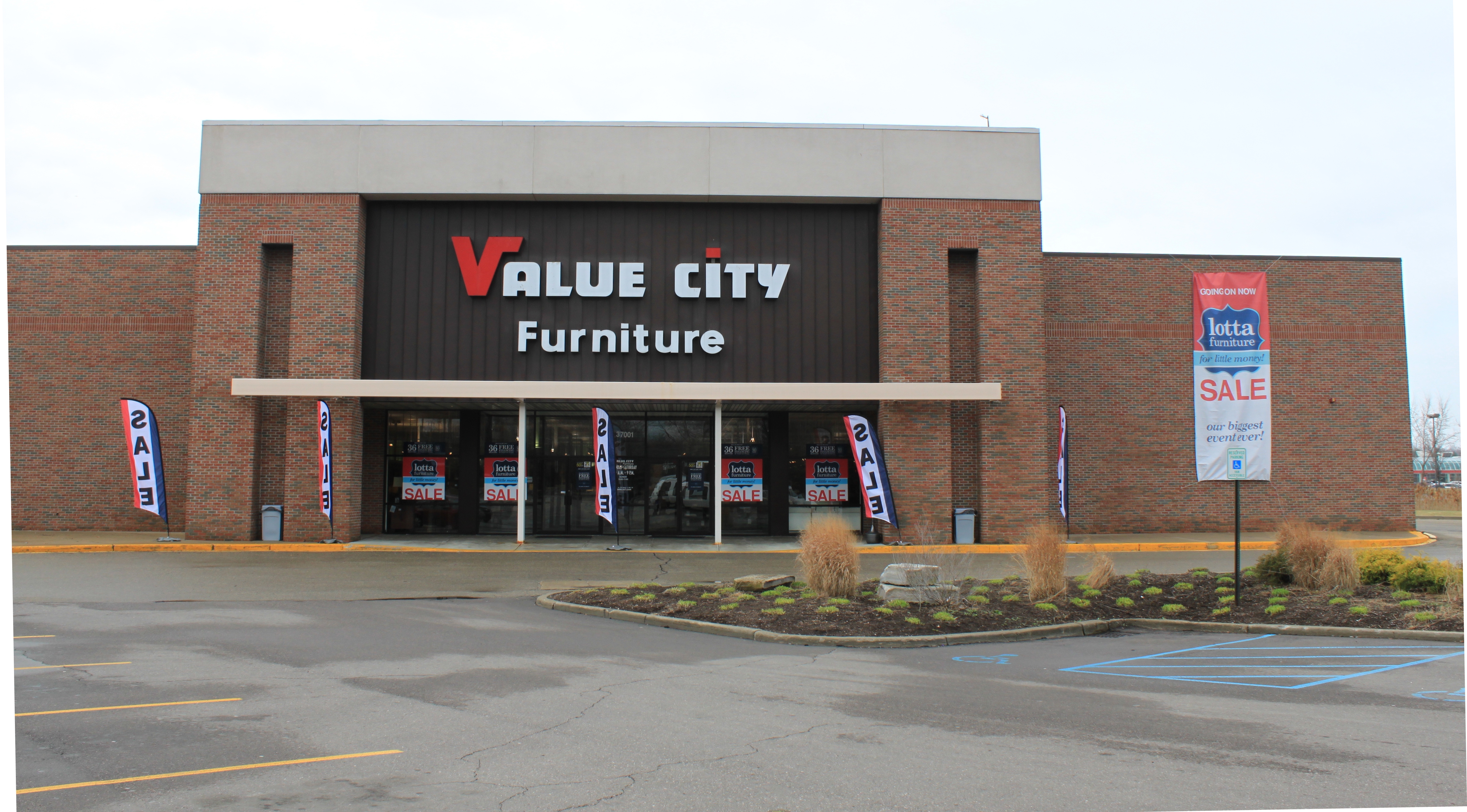
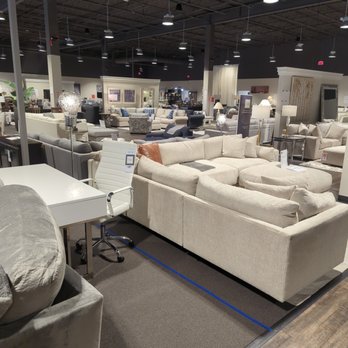

American Signature Furniture, parent company of Value City Furniture, filed for bankruptcy after nearly eight decades in business. The company began liquidation sales across its remaining stores following a dramatic sales slump.
Court documents revealed a 27% revenue decline between 2023 and 2025, while operating losses ballooned from $18 million to $70 million. By late 2024, liquidity had tightened considerably. The company explicitly cited new tariff policies as a factor that intensified and accelerated its financial deterioration.
It hasn’t been alone. Over the past year, at least 10 additional furniture businesses have filed for bankruptcy, according to federal filings. Many were smaller, independent players — precisely the businesses least equipped to handle sudden cost increases.
Retail analyst Neil Saunders of GlobalData notes that smaller companies lack the deep sourcing teams, capital reserves, and supply chain flexibility that larger firms can leverage. They cannot easily pivot manufacturing away from high-tariff countries or negotiate better pricing.
For many independents, survival itself has become uncertain.
A Small Business in Survival Mode
Joseph Cozza, who runs East Coast Innovators, supplies retailers such as Macy’s and Raymour & Flanigan. Faced with rising import costs, he was forced to raise prices between 15% and 18%.
The result was predictable: softer holiday demand.
For now, Cozza says he can keep the lights on. But he’s counting on lower interest rates, a rebound in housing, and stronger tax refunds to stimulate consumer spending. Without those tailwinds, he may have to relocate operations from Philadelphia to North Carolina in search of lower costs.
He describes the situation as deeply frustrating. After building a company that pays competitive wages and supports local employees, he feels penalized by policy decisions beyond his control.
Bigger Brands Gain Ground
While smaller operators struggle, larger companies appear better positioned to adapt.


Global brands like IKEA have managed to keep pricing relatively stable during fiscal 2025, attributing cost pressures more to acquisitions than to tariffs.
Meanwhile, RH, Williams-Sonoma, and Wayfair have reported sales growth and expanding margins despite higher import costs.
Scale provides advantages: diversified sourcing networks, greater negotiating power, and the financial resilience to absorb temporary cost spikes. For these firms, tariffs may compress margins temporarily — but they are unlikely to threaten survival.
In fact, industry observers suggest the environment could accelerate consolidation, allowing major players to capture market share from failing independents.
Lingering Uncertainty After the Ruling
Most U.S. furniture imports originate from China and Vietnam, regions that have faced fluctuating tariff rates over the past several years. At one point, imports from China carried duties as high as 145%, while Vietnam faced rates near 20%.
The Supreme Court’s decision focused specifically on whether the executive branch overstepped its authority in imposing certain country-based tariffs. But even with those struck down, critical questions remain unanswered.
Will previously collected tariffs be refunded?
Will new trade mechanisms replace them?
Could fresh duties emerge under different legal frameworks?
Industry leaders say this lack of clarity is more damaging than any single tariff percentage.
As one major furniture CEO reportedly told Theran, businesses can adapt to almost any policy — even an unfavorable one — if it’s stable. Companies can plan, invest, restructure supply chains, and execute accordingly.
What they cannot manage is constant flux.
An Industry Waiting for Stability
For now, the furniture industry remains in limbo. The pandemic boom has faded, consumer demand is softer, housing activity remains subdued, and import costs are elevated.
Despite the Supreme Court ruling, small furniture sellers still face an existential threat from tariffs.
Until trade policy settles into something predictable and durable, investment decisions will remain frozen and smaller operators will continue to walk a financial tightrope.
In retail, margins are thin and timing is everything. Without certainty, even the strongest craftsmanship cannot guarantee survival.
