


The U.S. Supreme Court delivered a major decision on Friday, striking down President Donald Trump’s country-specific “reciprocal” tariffs. The ruling marked a significant victory for consumer-facing companies that have spent years absorbing higher import costs or passing them on to customers.
However, the decision does not wipe the slate clean for all industries. After Trump’s ‘reciprocal’ tariffs were blocked, these industries continue to face elevated duties under separate trade laws — particularly those tied to national security.
What the Supreme Court Actually Ruled
At the center of the case was the International Emergency Economic Powers Act (IEEPA), a 1977 law designed to give the president authority to respond to extraordinary foreign threats. The Trump administration used IEEPA to justify sweeping tariffs on specific countries, calling them “reciprocal” measures.
In a 6–3 ruling, the Court concluded that IEEPA does not authorize a president to impose tariffs. Notably, the law had never previously been used as a basis for broad trade duties.
But the ruling only applies to tariffs enacted under IEEPA.
It does not affect tariffs implemented under Section 232 of the Trade Expansion Act of 1962, which allows trade restrictions on products deemed to threaten national security. Those measures remain firmly in place.
Industries Still Facing Elevated Tariffs
Even after the Supreme Court decision, several major sectors continue to operate under substantial trade levies.
🚗 Automotive Industry


The impact of the ruling on automakers remains uncertain. The industry continues to grapple with billions of dollars in tariff-related expenses, depending on where vehicles and parts are sourced.
Last year, the Trump administration introduced a sweeping 25% tariff on imported vehicles and certain auto components under Section 232, citing national security risks. While some countries — including the United Kingdom, Japan, and South Korea — negotiated reduced rates ranging from 10% to 15%, it remains unclear how consistently those reductions have been implemented.
Major U.S. automakers are still bracing for steep costs:
General Motors recently projected between $3 billion and $4 billion in tariff-related expenses this year.
Ford Motor expects its net tariff impact to hover around $2 billion in 2026.
Because these auto tariffs fall under Section 232, they remain unaffected by the Supreme Court’s ruling.
💊 Pharmaceuticals
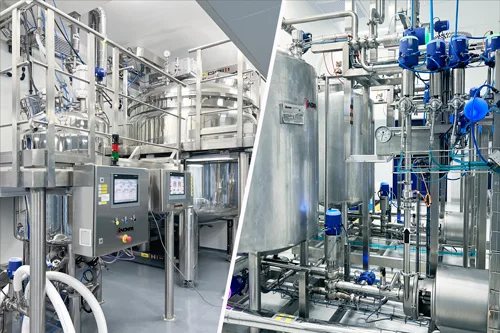

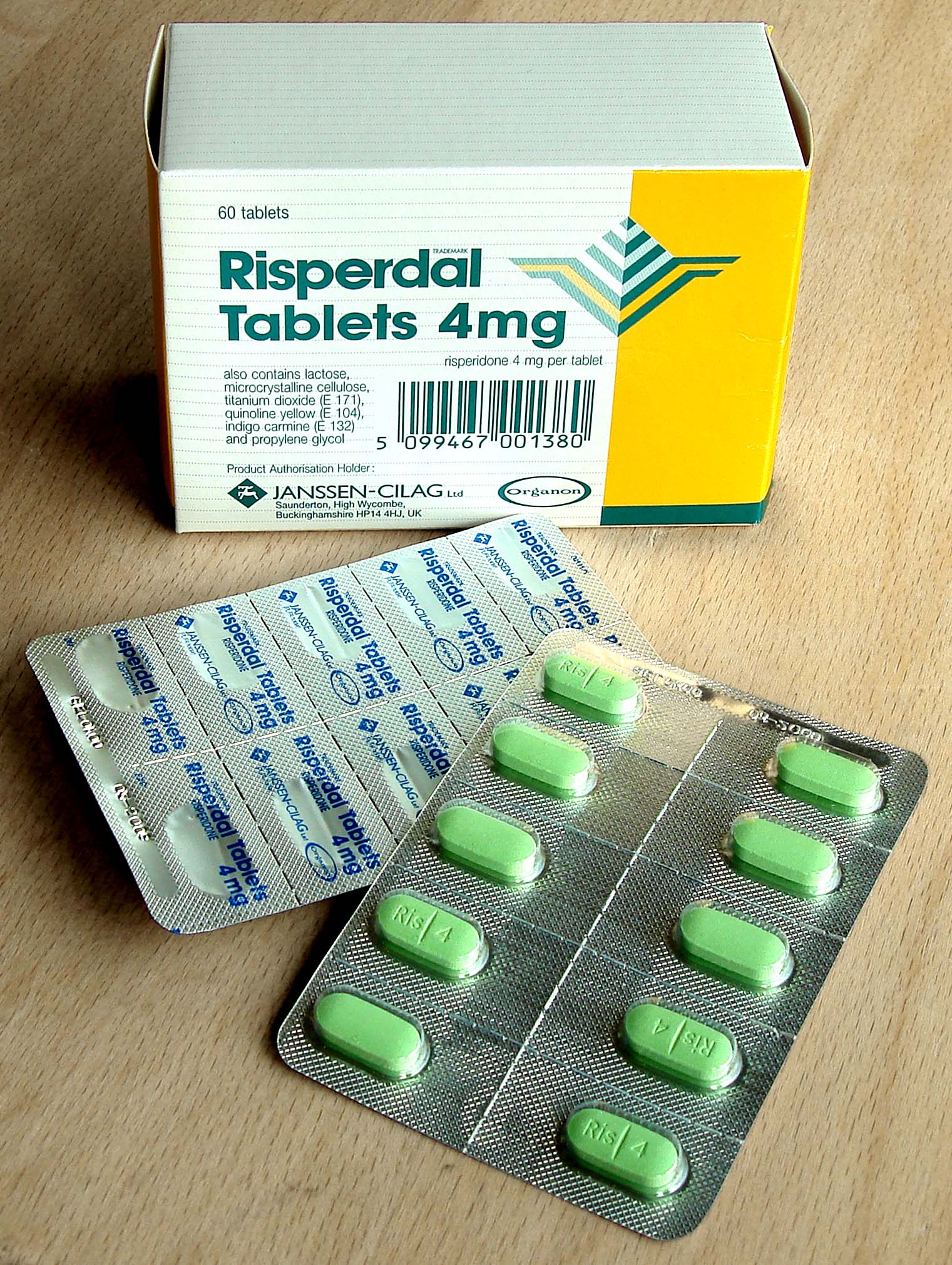
The pharmaceutical sector faces a cloud of uncertainty. While large-scale tariffs on imported medicines have not yet taken effect, the threat remains very real.
The administration has floated potential tariffs that could climb as high as 250%, and previously warned of 200% duties on pharmaceutical imports. A Section 232 investigation into drug imports has already been launched to assess national security implications.
The broader objective: encourage drugmakers to shift manufacturing operations back to the United States.
In December, several pharmaceutical giants — including Merck, Bristol Myers Squibb, and Novartis — reached a voluntary agreement with the administration. In exchange for committing to invest in U.S.-based production and lowering certain drug prices, they secured a three-year exemption from potential pharmaceutical tariffs.
If new tariffs are enacted under Section 232, they would remain in force regardless of the Supreme Court’s ruling.
🛋️ Furniture


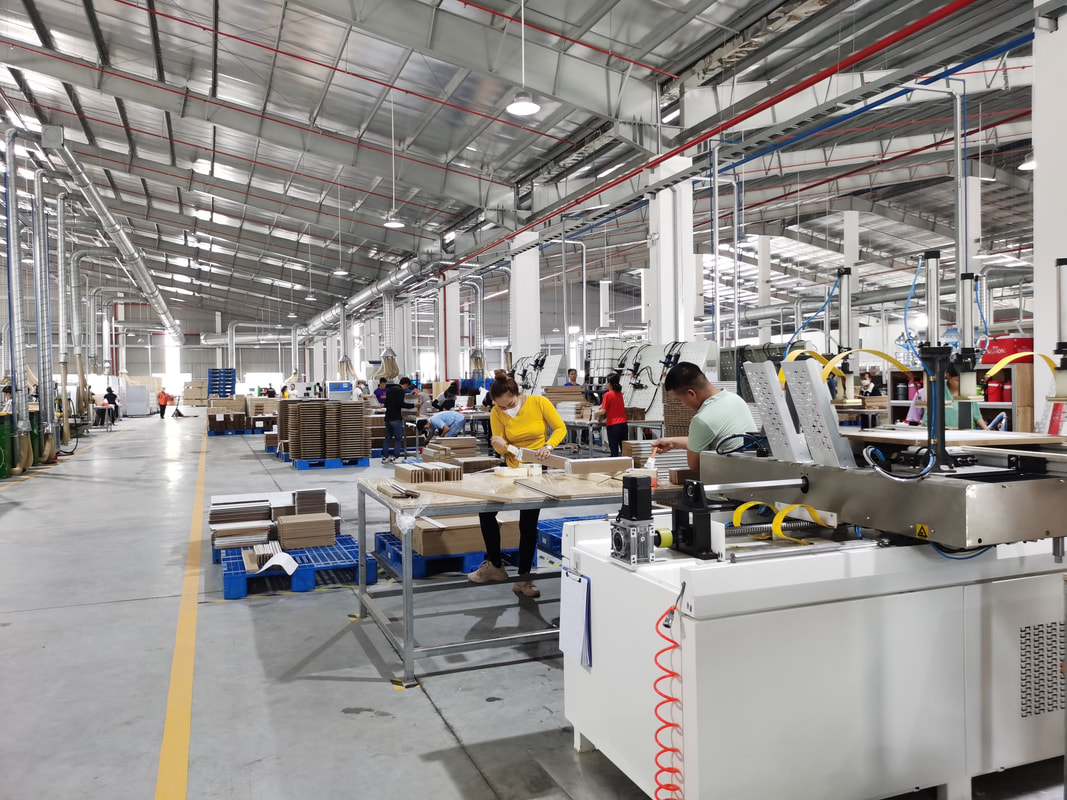
For furniture manufacturers and retailers, the Court’s decision offers little relief.
Couches, cabinets, vanities, and other home furnishings were hit with roughly 25% tariffs last fall under Section 232. Those duties remain intact. Even more concerning, the rate is expected to climb to 50% in 2027.
The industry is already contending with higher interest rates, inflation pressures, and weaker consumer spending. Smaller businesses have struggled to absorb the additional costs, while even larger players have faced severe financial strain. The parent company of Value City Furniture filed for bankruptcy and shut down operations late last year.
🥤 Food & Consumer Packaged Goods

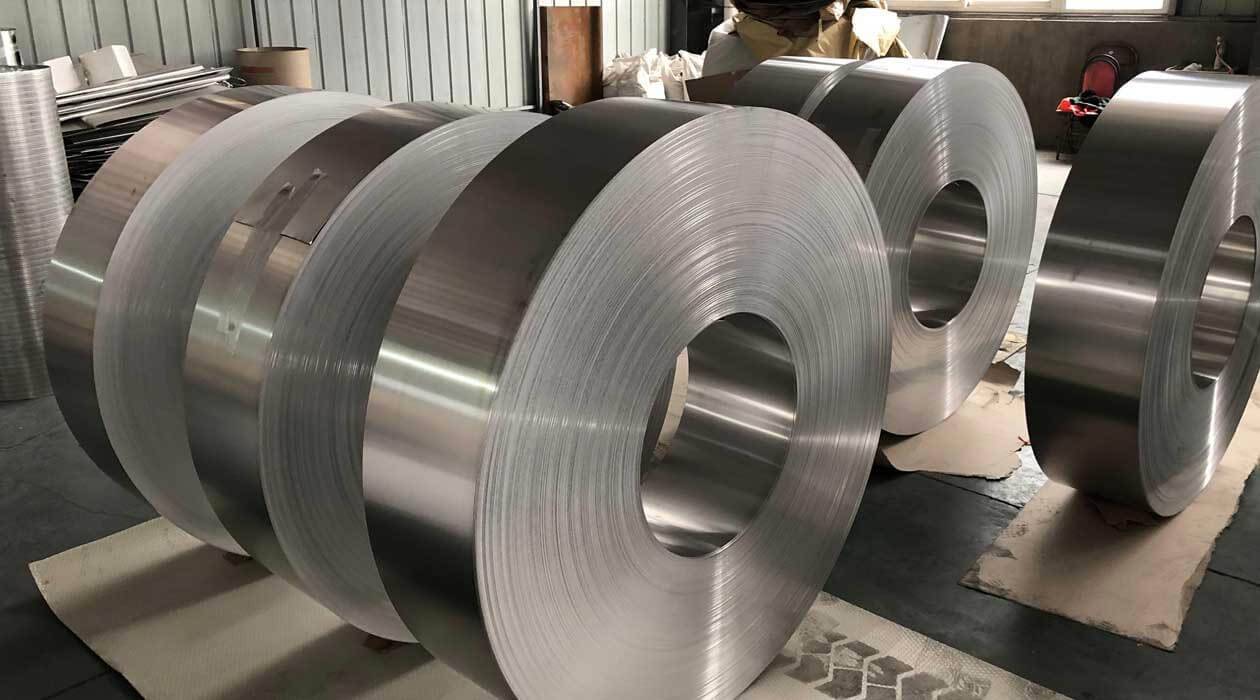

Tariffs on steel and aluminum imports also remain active under Section 232. Aluminum duties were raised to 50% last year, driving up costs across packaging-heavy industries.
Major beverage and consumer goods companies — including Coca-Cola, PepsiCo, Keurig Dr Pepper, and Reynolds Consumer Products — continue to feel the pressure of higher aluminum prices used in cans and packaging.
That said, some relief measures were already introduced before the Court’s decision. Hundreds of agricultural products — from bananas and coffee to spices — were exempted from tariffs. Additionally, a previous 10% tariff on Brazilian pulp, a critical input for paper towels, diapers, and toilet paper, was rescinded.
Still, core metal tariffs remain firmly in place.
The Bottom Line
The Supreme Court’s decision narrows presidential authority under IEEPA and eliminates country-specific “reciprocal” tariffs. For many consumer businesses, that is welcome news.
Yet After Trump’s ‘reciprocal’ tariffs were blocked, these industries continue to face elevated duties under Section 232 — particularly in autos, pharmaceuticals, furniture, and consumer packaged goods.
In short, while one chapter of the tariff saga has closed, the broader trade landscape remains complex — and costly — for several critical sectors of the U.S. economy.
